- +86-130-1868-1456
- jdpack_sales01@china-jingduan.cn


Why a Battery Strapping Tool Can Significantly Reduce Your Cargo Securing Cost?
In today’s logistics and manufacturing environment, end-of-line packaging efficiency directly affects operating costs, labor health, and shipment safety.
However, many factories and warehouses are still using manual strapping tools with metal buckles—a method that is not only inefficient, but also costly in the long run.
In this article, we explain how a battery strapping tool helps you save money when securing cargo, using real consumption calculations and practical comparisons.

Manual strapping tools usually rely on:
Steel or metal buckles
Manual tensioning and sealing
High labor intensity and time consumption
Although the initial investment looks low, the hidden costs add up quickly:
Continuous purchase of metal buckles
Slower packing speed
Higher labor fatigue and injury risk
Inconsistent strap tension, affecting cargo safety
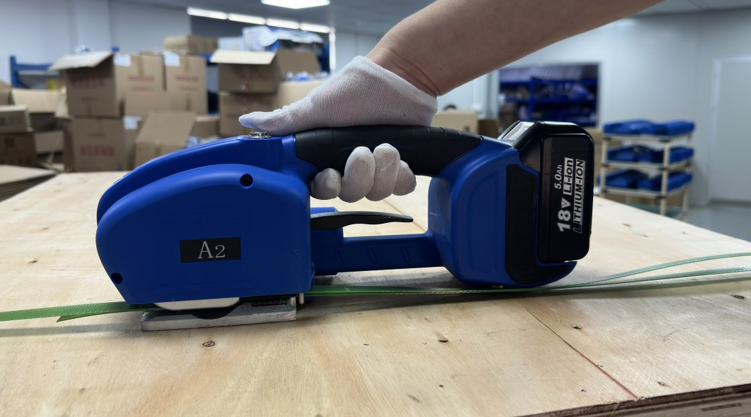
A battery-powered strapping tool uses friction weld sealing, eliminating the need for metal buckles completely. This single change already brings a clear cost advantage.
PET strap width: 16 mm
PET strap thickness: 0.8 mm
Strap weight: 1 ton
Pallet size: 1.2 m × 1.2 m
Straps per pallet: 4 straps
1 roll = 1,250 meters
1 ton = 50 rolls
Total strap length:
50 × 1,250 m = 62,500 meters
Metal buckle unit price: ¥0.1 per piece
Each strapping point requires 1 buckle
When consuming 1 ton of PET strap, the cost of metal buckles alone reaches:
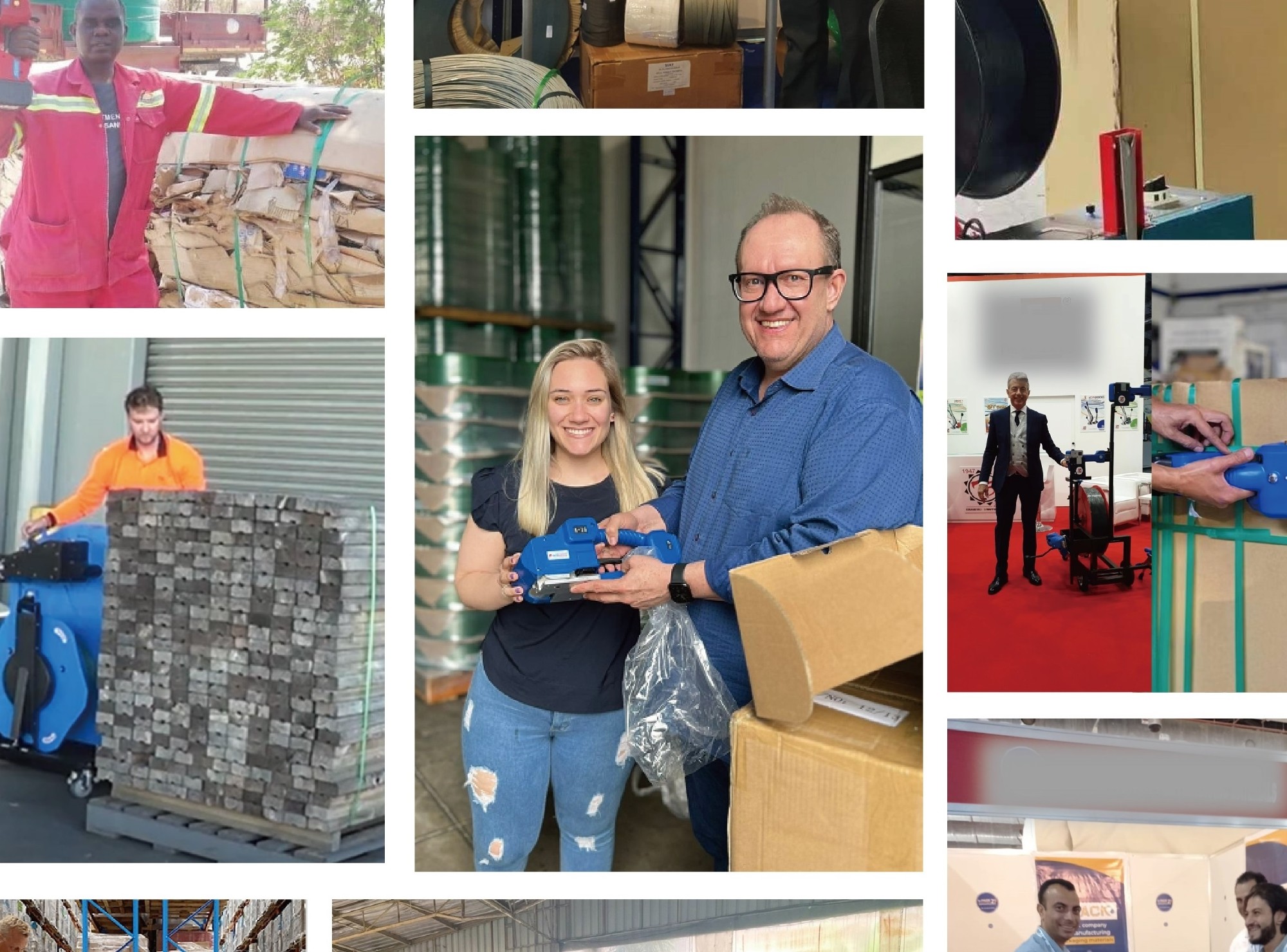
Welcome all global distributors join us to win mutual benefit
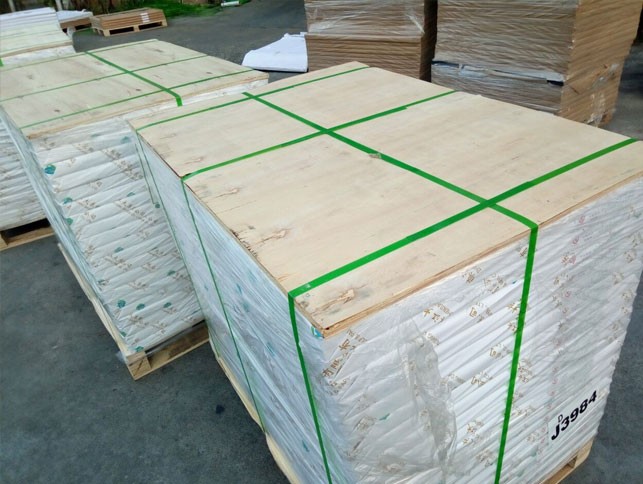
Successful Case Analysis of Guangdong Shaoguan Perforated Brick Packaging
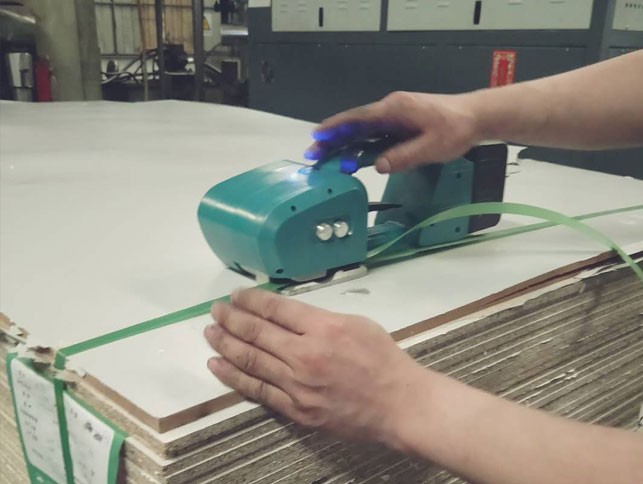
Application case for packing LED product with JD-008 Pallet strapping machine
Successful application of fine-end brick manual packaging scheme in Guangxi Rotary Kiln Brick Factory
Telephone: +86 130 1868 1456
Whatsapp: +86 137 2849 3164
Email: jdpack_sales01@163.com
Contact: Andy Chen (Sales Consultant)
Address: 3 / F, No. 1 industrial zone, PuLong West 1st Road, Gaoying Industrial Zone, Tangxia Town, Dongguan City, Guangdong Province